


La sentencia 1000/2025 del Tribunal Supremo ha puesto en el centro del debate público al Fiscal General del Estado y ha abierto un melón jurídico que va mucho más allá de un caso concreto. No solo se analiza si hubo una filtración indebida de información sobre un procedimiento tributario muy mediático; también se discute hasta dónde puede llegar la Fiscalía cuando informa a la opinión pública, cómo se investiga una filtración en la era digital y qué significa, de verdad, la presunción de inocencia cuando el foco mediático lo arrasa todo.
En este artículo quiero explicarte, de forma clara y ordenada, qué resuelve el Tribunal Supremo en la sentencia Fiscal General del Estado, cuáles son sus claves y por qué el voto particular de dos magistradas pudiera ser tan relevante.
¿Qué pasó en el juicio que terminó con la sentencia condenatoria al Fiscal general del Estado?
Antecedentes de hecho
Para entender la sentencia Fiscal General del Estado, es imprescindible partir del origen de todo: un correo electrónico que nunca debió salir del ámbito privado entre un abogado y la Fiscalía… y que acabó abriendo una causa penal en el Tribunal Supremo.
Inspección tributaria y correo de conformidad
La Agencia Tributaria investigaba a Maxwell Cremona S.L., sociedad vinculada a quien hoy ejerce la acusación particular. La Inspección aprecia indicios de la comisión de dos posibles delitos contra la Hacienda Pública y remite el expediente al Ministerio Fiscal para valorar la interposición de denuncia penal.
En ese contexto, el 2 de febrero de 2024, el abogado del investigado remite un correo a la Fiscalía. Ese mensaje se convierte en el eje de todo el procedimiento. En síntesis, el contenido era el siguiente:
- Reconocía que “ciertamente se han cometido dos delitos contra la Hacienda Pública”.
- Manifestaba la voluntad de regularizar la situación.
- Proponía explorar una conformidad penal: asumir los hechos a cambio de una rebaja de la pena.
Desde la óptica jurídica, estamos ante un documento interno, reservado y protegido por el derecho de defensa. Su contenido debería quedar limitado al abogado, al fiscal responsable del asunto y al propio investigado.
Sin embargo, pocas horas después, varios medios de comunicación difunden fragmentos literales de ese correo. A partir de ese momento, el asunto deja de ser estrictamente jurídico y se convierte también en un problema político y mediático.
Consecuencias de la publicación del correo
La filtración del contenido del correo genera de inmediato:
- Un importante impacto político, derivado de la relevancia pública de la pareja del investigado.
- Acusaciones públicas dirigidas contra la Fiscalía por una presunta actuación irregular.
- Sospechas generalizadas sobre el origen de la filtración y sobre quién pudo vulnerar la confidencialidad de la comunicación.
En medio de esa tormenta, el 13 de marzo la Fiscalía General del Estado difunde una nota informativa en la que confirma la existencia del correo y ofrece su versión institucional de los hechos.
Para una parte de la opinión pública, esa nota fue una respuesta necesaria para defender la imagen de la institución.
Para otros, supuso una segunda revelación indebida de información reservada. Ahí es donde empieza, jurídicamente, el caso que analizaremos con la sentencia del Fiscal General del Estado.
Contenido de la querella: qué denunció exactamente la acusación particular
Tras la publicación en prensa del correo remitido por su defensa a la Fiscalía, el investigado —que después se convierte en acusación particular— presenta una querella que sirve de punto de partida de todo el procedimiento. Ese escrito no es un simple gesto de protesta: es un documento jurídico extenso, estructurado y cargado de acusaciones muy graves dirigidas directamente contra el entonces Fiscal General del Estado.
Que la filtración solo podía proceder de la Fiscalía
El querellante afirma que el correo enviado por su abogado:
- no estaba difundido,
- no figuraba en ningún registro público,
- y solo era conocido por la defensa y por la institución fiscal.
A partir de esa premisa, concluye que la revelación a los medios necesariamente tuvo que producirse desde dentro de la Fiscalía, ya sea de forma directa por el Fiscal General o por alguien de su entorno inmediato.
Este es el núcleo fáctico de la querella: una supuesta revelación de información especialmente sensible, relativa al derecho de defensa y a la presunción de inocencia.
Que la nota informativa del 13 de marzo amplificó la filtración
La querella dedica un bloque importante a la nota de prensa emitida por la Fiscalía General del Estado.
Según el denunciante:
- Esa nota confirmó oficialmente datos que solo debían ser conocidos por las partes.
- La propia Fiscalía “oficializó” la existencia del correo y su contenido esencial.
- Al hacerlo, agravó el daño sufrido y contribuyó a presentar al querellante como alguien que había admitido la comisión de dos delitos, aún sin juicio ni acusación formal.
Para la acusación particular, la nota de prensa no fue una aclaración institucional sino la segunda fase de la revelación.
Delitos imputados en la querella
El escrito imputa varios delitos, algunos de ellos con penas severas. Entre los principales:
Revelación de datos o informaciones reservadas (art. 417 CP)
Este es el eje de la querella.
El artículo 417 CP castiga a la autoridad o funcionario público que revele datos o informaciones que conoce por razón de su cargo y que deben permanecer reservados.
Lo relevante es:
- No exige ánimo de perjudicar.
- Basta con revelar información que debía mantenerse confidencial.
- Protege bienes esenciales para el Estado: la imparcialidad, la confianza institucional y, sobre todo, el derecho de defensa cuando se trata de datos de un procedimiento penal.
La querella sostiene que la difusión del contenido de un correo estrictamente reservado —enviado por la defensa del investigado para negociar una conformidad— encaja plenamente en esta figura.
Descubrimiento y revelación de secretos (arts. 197 y 198 CP)
Estos preceptos suelen aplicarse a particulares, pero también pueden afectar a autoridades que, sin autorización, acceden, difunden o utilizan información privada, especialmente aquella contenida en correos electrónicos o sistemas informáticos.
Los tipos penales de los arts. 197 y 198 CP castigan:
- El acceso indebido a datos reservados.
- La difusión o cesión de esa información a terceros.
- Cualquier actuación que vulnere el derecho fundamental a la intimidad y al secreto de las comunicaciones.
Según la querella, la utilización o divulgación del correo remitido por la defensa podría encajar en estos delitos al haberse vulnerado la protección reforzada de una comunicación privada vinculada al ejercicio del derecho de defensa.
Infidelidad en la custodia de documentos (art. 415 CP)
Este precepto sanciona al funcionario que, teniendo la obligación de custodiar documentos o efectos que se le han confiado por razón de su cargo, permite su pérdida, destrucción o difusión.
El artículo 415 CP protege:
- La integridad de la documentación oficial.
- La confianza en que los órganos públicos mantienen bajo control los materiales que manejan.
La querella sostiene que la Fiscalía tenía la obligación de preservar el contenido del correo y que la filtración —sea directa o por omisión en la custodia— constituye una infracción grave de ese deber.
Prevaricación (art. 404 CP)
La prevaricación exige que una autoridad dicte una resolución arbitraria y manifiestamente injusta, a sabiendas de su injusticia.
En la querella, este delito se vincula a la nota informativa difundida por la Fiscalía General del Estado. Según el querellante:
- La nota confirmó la existencia del correo.
- Difundió datos que afectaban de forma directa al derecho de defensa y a la presunción de inocencia.
- Y se hizo sin cobertura legal y sin necesidad procesal.
La acusación interpreta esa nota como un acto administrativo anómalo, ajeno a la función jurisdiccional o acusadora, que causó un perjuicio procesal y reputacional al investigado.
Interceptación de comunicaciones (art. 535 CP)
Este delito se plantea de forma más marginal, pero aparece en la querella. El artículo 535 CP sanciona a la autoridad o funcionario que:
- Intercepte, altere o utilice comunicaciones postales, telemáticas o electrónicas.
- Sin autorización judicial y fuera de los supuestos legalmente previstos.
La querella sugiere que el acceso y posterior difusión del correo podría haber implicado una utilización ilegítima de un medio de comunicación electrónica.
Aunque este delito no tendrá gran recorrido en la instrucción, se incluye por si el origen de la filtración proviniera de un acceso técnico no autorizado.
La filtración y sus efectos: un daño directo a derechos fundamentales
La querella no se limita a enumerar delitos. Va más allá y sostiene que la filtración —un correo reservado, enviado para negociar una conformidad— produjo un daño constitucional directo en tres ámbitos esenciales:
Presunción de inocencia
La difusión pública de un mensaje donde se habla de “ciertamente se han cometido dos delitos” expone al investigado como si hubiera confesado, antes incluso de iniciarse un proceso con garantías.
No lo afirma un juez, ni la Fiscalía, ni una sentencia: lo afirma un correo de su defensa convertido en titular mediático.
Derecho de defensa
El querellante subraya que un correo dirigido exclusivamente a la Fiscalía terminó circulando en medios de comunicación.
Es decir: una pieza de la estrategia defensiva, descontextualizada, se convirtió en prueba mediática.
La querella sostiene que, a partir de ese momento, ningún juez de España podía llegar al caso sin estar condicionado.
La contaminación es automática: si un juez conoce a través de la prensa que un investigado “ha reconocido dos delitos”, esa impresión previa afecta de forma inevitable a su valoración inicial.
Para ilustrarlo, la querella recuerda un principio básico del proceso penal:
Las escuchas telefónicas obtenidas sin autorización judicial deben expulsarse del procedimiento, aunque el contenido sea veraz y relevante, porque su mera existencia contamina la causa.
Aquí, sostiene el querellante, ocurrió algo similar: una información reservada —defensa pura— sale al espacio público y destruye el equilibrio procesal desde el minuto uno.
Intimidad y protección de datos
El correo incluía detalles económicos, fiscales y procesales que deberían permanecer estrictamente reservados.
Su publicación vulnera el derecho a la intimidad y supone la difusión de datos personales especialmente sensibles.
En definitiva, la querella presenta la filtración —y la posterior nota informativa— no como un mero error comunicativo, sino como un ataque frontal a las garantías básicas del proceso penal: presunción de inocencia, defensa y privacidad.
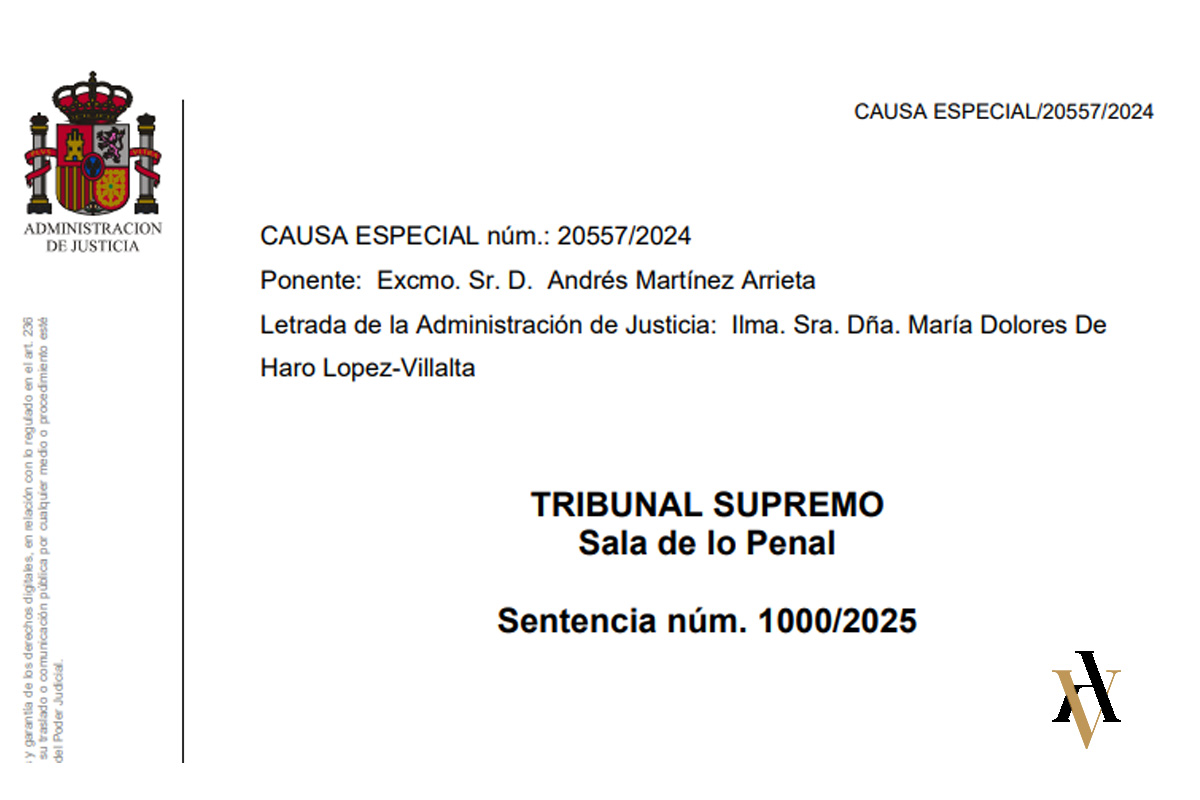
¿Qué dice la sentencia que condena a Álvaro García Ortíz?
El aforamiento del Fiscal General del Estado: ¿protección institucional o una desventaja procesal?
La querella presentada contra el entonces Fiscal General del Estado activa automáticamente una pieza clave del Derecho Procesal español: el aforamiento. Y eso explica por qué la causa no se investiga en un juzgado ordinario, sino directamente en la Sala Segunda del Tribunal Supremo.
Lejos de ser un privilegio, el aforamiento tiene implicaciones que, en la práctica, pueden resultar incluso perjudiciales para quien lo ostenta —especialmente cuando se trata de un cargo tan expuesto como el Fiscal General del Estado.
¿Por qué el Fiscal General está aforado ante el Tribunal Supremo?
El art. 57.1 de la Ley Orgánica del Poder Judicial incluye expresamente al Fiscal General del Estado entre los cargos cuyo enjuiciamiento corresponde en exclusiva al Tribunal Supremo.
La razón de ese diseño no es personal, sino institucional:
- Proteger la independencia del Ministerio Fiscal.
- Evitar presiones externas en procedimientos penales de alto impacto.
- Asegurar que los delitos atribuidos a los máximos cargos del Estado sean valorados por el órgano jurisdiccional de mayor jerarquía.
En teoría, el fuero busca garantizar imparcialidad, serenidad y distancia frente al ruido político y mediático.
¿Es realmente un privilegio?
No. De hecho, la sentencia 1000/2025 es un ejemplo perfecto de cómo el aforamiento puede convertirse en una seria desventaja procesal.
El motivo es sencillo:
El Fiscal General NO tiene derecho a una segunda instancia penal.
Cuando una persona aforada es juzgada directamente por el Tribunal Supremo:
- el Supremo actúa como primera y única instancia,
- la sentencia no puede ser apelada,
- solo cabe recurso de revisión o amparo ante el Constitucional, ambos muy limitados.
Un ciudadano no aforado, en cambio, siempre tiene acceso a un recurso de apelación ante un tribunal superior.
Esto hace que el aforamiento, en casos penales complejos, sea una situación procesal más restrictiva, no más favorable.
El juicio contra el Fiscal General del Estado
Tras la admisión de la querella y la apertura de causa especial, el asunto entra en su fase más delicada: el juicio oral ante la Sala Segunda del Tribunal Supremo. No es un juicio cualquiera. Se trata de un procedimiento en única instancia, sin posibilidad de apelación, y en el que cada decisión procesal tiene un peso extraordinario.
Las cuestiones previas: el intento de anular todo el procedimiento
Antes de comenzar con la prueba, la defensa del Fiscal General planteó un bloque muy amplio de cuestiones previas, buscando anular la causa desde su base. Estas cuestiones son habituales en procedimientos complejos, pero aquí alcanzan un protagonismo excepcional por la naturaleza de la figura aforada y por el tipo de documentación investigada.
¿Qué alegó la defensa del Fiscal General del Estado?
Que el proceso estaba viciado desde su inicio
Afirmaron que la filtración mediática del correo contaminaba cualquier valoración judicial posterior.
Si todos los jueces de España habían escuchado durante semanas que el investigado “admitía dos delitos”, era imposible —decían— garantizar un tribunal plenamente imparcial.
Nulidad de diligencias digitales
La defensa consideró que los registros, copias de móviles, volcados de correos y requerimientos a plataformas tecnológicas habían sido excesivos, desproporcionados o insuficientemente motivados.
Se discutieron aspectos tan sensibles como:
- el mirroring de dispositivos,
- los accesos a Google y WhatsApp,
- y las comunicaciones internas entre fiscales.
El alcance de la nota informativa
Sostuvieron que la nota emitida por la Fiscalía General —leída como “segunda filtración”— no solo era jurídicamente impropia, sino también una actuación administrativa capaz de comprometer el derecho de defensa.
La competencia del Tribunal Supremo
Aunque el aforamiento activaba su competencia, la defensa cuestionó si la exposición razonada elevaba indicios suficientes como para justificar la apertura del procedimiento penal.
La respuesta del Tribunal Supremo: por qué se desestiman todas las cuestiones previas
El Tribunal Supremo dedica un bloque extenso de la sentencia 1000/2025 a resolver las cuestiones previas planteadas por la defensa. La Sala las analiza una por una, con un enfoque estrictamente técnico, y concluye que ninguna de ellas es capaz de anular el procedimiento.
El mensaje es claro: hay causa suficiente para entrar al fondo del asunto.
No existe contaminación que comprometa la imparcialidad del tribunal
La defensa insistía en que la filtración del correo había condicionado a cualquier juez de España. Sin embargo, el Supremo responde con dos argumentos esenciales:
- El conocimiento mediático de unos hechos no basta para invalidar la imparcialidad, salvo que exista una manifestación concreta de prejuicio o interés personal.
- Los magistrados del Alto Tribunal están especialmente habituados a causas mediáticas y a separar el ruido externo del material estrictamente probatorio.
La Sala recuerda que la Constitución exige imparcialidad subjetiva y objetiva, pero no exige aislamiento social del juez, y descarta que exista la contaminación alegada.
Las diligencias de investigación fueron proporcionadas y necesarias
El Tribunal analiza después los registros digitales, el mirroring de dispositivos, los accesos a correos y los requerimientos a proveedores tecnológicos.
La defensa alegaba falta de motivación y desproporción. La Sala responde:
- Las diligencias fueron específicas, concretas y vinculadas directamente al objeto de investigación: descubrir si la filtración salió de la Fiscalía y cómo se produjo.
- En delitos vinculados a comunicaciones digitales, las copias completas de dispositivos son en ocasiones imprescindibles.
- No existió “pesca de evidencia” ni rastreo indiscriminado, sino actuaciones delimitadas y con finalidad estrictamente probatoria.
El Supremo recuerda su propia jurisprudencia en materia de registros tecnológicos:
la proporcionalidad se mide por la conexión entre la diligencia y el fin investigado, no por la extensión física del volcado.
La nota informativa no invalida el procedimiento penal
Respecto a la nota emitida por la Fiscalía General, la Sala adopta una posición muy relevante:
- Aunque pueda discutirse su oportunidad institucional,
- no es una resolución procesal ni afecta a derechos fundamentales de forma que genere nulidad del procedimiento.
La sentencia distingue claramente entre la “crítica institucional” y la “nulidad procesal”:
que una nota de prensa pueda ser inoportuna no significa que invalide toda una causa penal ni que imposibilite el enjuiciamiento.
Por tanto, la nota no es apta para afectar a la regularidad del proceso ni para anular actuaciones posteriores.
La competencia del Tribunal Supremo está correctamente activada
La Sala confirma que:
- El TSJ de Madrid realizó una exposición razonada completa,
- identificando hechos, sujetos aforados, posibles delitos e indicios concretos;
- y, por tanto, la Sala Segunda es plenamente competente.
El Supremo recuerda su propia doctrina:
basta con la existencia de indicios individualizados y un relato coherente para abrir causa especial contra un aforado.
No es necesaria una certeza plena; eso se valora en el juicio, no en la fase de activación de la competencia.

Contenido de la sentencia del Fiscal General del Estado
Prueba practicada en el juicio del Fiscal General del Estado
La fase de prueba fue el núcleo del juicio. No había grabaciones, ni correos reenviados desde la cuenta del acusado, ni un testigo directo de la filtración. Todo giró en torno a cómo interpretar los indicios, al peso de los informes técnicos y a la credibilidad de quienes declararon en sala.
El Tribunal escuchó a periodistas, fiscales, agentes de la UCO y al propio Fiscal General. A partir de ahí, la Sala fue construyendo su valoración apoyándose, sobre todo, en tres bloques: lo que dijeron los testigos, lo que mostraban los datos técnicos y cómo encajaba todo en una secuencia temporal muy concreta.
Declaraciones de los periodistas: negación de la fuente
Los periodistas que publicaron la noticia testificaron en el juicio. Bajo juramento, afirmaron:
- que el Fiscal General no fue su fuente,
- que la información les llegó a través de “fuentes habituales” del ámbito institucional,
- y que no recibieron el correo directamente ni accedieron a él por canales irregulares.
Algunos concretaron incluso:
- el momento en que recibieron la información,
- el modo en que se les transmitió,
- y que ya se hablaba de una posible conformidad antes de la publicación.
La Sala tiene en cuenta estas declaraciones, pero las integra dentro del conjunto de la prueba como negativas que, por sí solas, no bastan para descartar otros indicios.
¿Qué sucede en estos casos en la práctica general?
En la práctica general cualquier sentencia (y cito un extracto de una sentencia que llegó al Despacho): «Las versiones, por tanto, resultan contradictorias, sin que la defensa haya desplegado ningún otro medio de prueba, más allá de las manifestaciones legítimamente interesadas por el propio procesado y los testigos, por lo que no podemos dar por válido un extremo documentalmente justificable«
Declaraciones de fiscales: quién vio qué y cuándo
Varios fiscales declararon sobre el recorrido interno del correo:
- quién tuvo acceso a él en la Fiscalía,
- cómo se reenviaba,
- qué funcionarios llegaron a ver su contenido,
- y qué comunicaciones internas se produjeron en las horas previas a la filtración.
Algunos señalaron que el Fiscal General se interesó de forma muy rápida por el correo; otros matizaron que, aunque no era habitual, tampoco resultaba extraño dada la relevancia mediática del asunto.
Para el Tribunal, estas declaraciones no acreditan directamente la filtración, pero sí ayudan a reconstruir el mapa de accesos al documento dentro de la institución.
La cadena de correos y el uso del Gmail personal del Fiscal General
La propia sentencia recoge un episodio llamativo en esa secuencia temporal. El Fiscal General del Estado contacta con la Fiscal Provincial de Madrid, quien a su vez llama al fiscal encargado del asunto, Juan Antonio Salto, mientras este se encontraba en el estadio viendo el partido de Champions (Atleti–Inter), para pedirle de inmediato los correos intercambiados con la defensa. A petición de la Fiscal Provincial, el fiscal Salto reenvía esos correos y ella los remite no solo a la Fiscalía Superior de Madrid, sino también a la cuenta personal de Gmail del Fiscal General del Estado, tal y como él mismo había indicado. Ese envío se produce a las 21:59 y 22:01 horas, y un último correo se reenvía de nuevo a las 23:45. Para el Tribunal, esta cadena de llamadas urgentes, fuera del cauce ordinario y con uso de un correo personal, no demuestra por sí sola la filtración, pero refuerza la idea de un interés directo, inmediato y concentrado en un círculo muy reducido de personas justo antes de que el contenido aparezca en los medios.
El testimonio de la UCO: el peso de los datos técnicos
La parte más sólida de la prueba, a ojos de la Sala, llega de la mano de los agentes de la UCO especializados en análisis digital. Explicaron, con detalle técnico, tres aspectos clave:
Registros de llamadas
El estudio del tráfico telefónico sitúa una llamada muy breve entre el acusado y un periodista dentro del intervalo temporal en el que el correo pasa de ser interno a aparecer en prensa. No se conoce el contenido de la llamada, pero sí la hora y la duración.
Metadatos y accesos digitales
Los investigadores determinaron:
- a qué hora se abrió el correo en distintos dispositivos,
- qué usuarios accedieron a él,
- y qué movimientos se produjeron en los sistemas de la Fiscalía.
Esa cronología de accesos es valorada por la Sala como coherente y significativa.
Borrado de mensajes
Tras el inicio de la causa, los informes técnicos detectan un borrado de chats en el dispositivo del acusado.
La defensa alegó que borrar mensajes forma parte del derecho a no autoincriminarse. El Tribunal no califica ese acto como delictivo, pero sí lo considera un dato objetivo a tener en cuenta, especialmente por el momento en que se produce.
La declaración del propio Fiscal General
El acusado decidió declarar, pero solo respondió a las preguntas de su defensa. No contestó a la acusación particular, ni a las acusaciones populares, ni al Ministerio Fiscal.
El Tribunal respeta esa estrategia, pero señala una consecuencia procesal clara: al no dar explicaciones sobre los indicios concretos que se le oponen, su versión no neutraliza los datos aportados por los informes técnicos y el resto de la prueba.
La secuencia temporal como columna vertebral de la valoración
Tras oír a todos los declarantes y examinar la documentación, la Sala fija una secuencia temporal que considera determinante:
- El correo llega a la Fiscalía.
- El Fiscal General muestra interés por su contenido casi de inmediato.
- Se produce una llamada breve con un periodista.
- Minutos después, se publica una noticia cuyo contenido coincide de forma casi literal con el correo.
- Poco después, se detecta un borrado de chats en el dispositivo del acusado.
El propio Tribunal admite que ninguno de estos elementos, aislado, demuestra la filtración. Pero entiende que, en conjunto, forman una línea de prueba indiciaria que hay que analizar desde la perspectiva jurídica.
La prueba indiciaria: el verdadero fundamento de la condena al Fiscal General del Estado
A partir de esa base fáctica, la Sala da el salto a la prueba indiciaria. Recuerda que, en Derecho Penal, no siempre es posible contar con una prueba directa del hecho (una grabación, un testigo presencial, un correo reenviado, etc.). En esos casos, la condena puede apoyarse en indicios, siempre que se cumplan ciertas exigencias.
Requisitos de la prueba indiciaria
Para que la prueba indiciaria pueda sostener una condena, el Tribunal exige:
- que los hechos periféricos estén plenamente acreditados,
- que la inferencia que se extrae de ellos sea lógica y razonable,
- y que las explicaciones alternativas ofrecidas por la defensa resulten menos coherentes con el conjunto de la prueba.
Cómo aplica el Supremo la prueba indiciaria en este caso
En el caso del Fiscal General del Estado, el Tribunal resume su razonamiento del siguiente modo:
- solo un círculo reducido de personas tenía acceso al correo,
- la filtración se produjo inmediatamente después de que entrara en la Fiscalía,
- en ese intervalo se registra una llamada con un periodista,
- el contenido publicado es prácticamente idéntico al del correo,
- y, una vez abierta la causa, se borran chats en el dispositivo del acusado.
Desde esta perspectiva, la Sala entiende que la reconstrucción más lógica es que la revelación partió desde la cúspide de la institución, sin necesidad de conocer la mecánica exacta de la filtración.
Valoración de la prueba indiciaria
Primer indicio
La sucesión cronológica de hechos que sí cuentan con prueba directa. El correo entra en la Fiscalía a última hora de la tarde; poco después, se registra una llamada entre el periodista y el Fiscal General; y, casi de inmediato, la emisora y su web difunden una información que reproduce prácticamente el contenido del correo.
Segundo indicio
El número extremadamente reducido de personas que conocían no solo el correo, sino también la preparación de una nota de prensa. La sentencia subraya que esos datos solo estaban en manos de un pequeño núcleo dentro de la Fiscalía, lo que acota mucho el círculo de posibles filtradores y debilita la tesis defensiva de que el correo “estaba al alcance de cientos de fiscales”.
Tercer indicio
El cambio de versión del periodista que informó sobre el contenido del correo. En un primer momento negó la existencia de la llamada con el Fiscal General; solo cuando la UCO acreditó objetivamente esa comunicación rectificó y dijo recordarla. Para la Sala, esa rectificación tardía resta credibilidad a la versión inicial y refuerza la sospecha de que esa llamada tuvo un papel relevante en la secuencia de la filtración.
Con estos elementos, el Tribunal no pretende reconstruir minuto a minuto cómo se filtró el correo, sino decidir si es razonable concluir que la revelación partió de quien detentaba el máximo control institucional sobre la información reservada.
Un razonamiento reforzado por la Sala: el daño no está en la noticia, sino en quién rompe el secreto
La sentencia insiste en que la clave no está en si la prensa ya había publicado algo o si existía ruido mediático previo. Lo relevante es quién tenía el deber de custodiar el dato y quién lo rompe. Por eso la Sala afirma con rotundidad que:
“La acción de divulgar el dato reservado por quien es garante de la obligación de sigilo, en sí misma es dañina”, y supone “una utilización perversa de las herramientas privilegiadas de la administración para acceder a información confidencial y personal de los ciudadanos”.
Es decir: el simple hecho de que la información salga del órgano que debía protegerla ya constituye el corazón del injusto penal, sin necesidad de medir la magnitud exacta del daño.
Lo acompaña otra idea muy potente:
“El que un dato reservado sea conocido no supone que quede desprovisto de la tutela penal derivada de su carácter de reservado.”
Este fragmento destruye completamente el argumento defensivo de “ya se sabía”: aunque la prensa lo hubiese contado antes, el deber de sigilo del Fiscal General seguía intacto.
Encaje en el artículo 417.1 del Código Penal y base real de la condena
En este punto entra en juego el artículo 417.1 del Código Penal, que no exige probar cómo se filtró la información ni a través de qué canal, sino acreditar que una autoridad:
- conoció una información reservada por razón de su cargo,
- esa información debía permanecer confidencial,
- y terminó siendo divulgada.
Si el conjunto de indicios apunta de forma consistente en esa dirección, la jurisprudencia del Tribunal Supremo admite que la prueba indiciaria sea suficiente para sustentar una condena.
Eso es, en esencia, lo que hace la mayoría de la Sala en la sentencia 1000/2025: utilizar esta construcción indiciaria para afirmar que se ha producido una revelación de secretos por parte del Fiscal General del Estado.
Explicación del fallo de la sentencia del Fiscal General del Estado
Llegados a este punto, el Tribunal pasa de la argumentación jurídica al fallo, es decir, a la decisión concreta sobre el caso.
Delito por el que se condena a Álvaro García Ortíz
El Tribunal Supremo condena al entonces Fiscal General del Estado como autor de un delito de revelación de secretos del artículo 417.1 CP, por haber permitido que trascendiera a la opinión pública el contenido de un correo electrónico:
- estrictamente vinculado al derecho de defensa del investigado,
- conocido por él solo por razón de su cargo,
- y que no debía hacerse público en esa fase del procedimiento.
Al mismo tiempo, le absuelve del resto de delitos que se habían mencionado en la querella (prevaricación, descubrimiento y revelación de secretos de los arts. 197 y 198, infidelidad en la custodia de documentos, interceptación de comunicaciones), al entender que no hay base suficiente para acreditarlos.
Penas impuestas
La sentencia fija tres consecuencias principales:
- 12 meses de multa, cuya cuota diaria se determinará en función de la capacidad económica del condenado.
- 2 años de inhabilitación especial para empleo o cargo público, lo que supone su cese como Fiscal General y la imposibilidad de ejercer funciones públicas durante ese periodo.
- Indemnización de 10.000 euros a favor del perjudicado, por el daño moral y reputacional derivado de la filtración.
Dos ideas clave del razonamiento del Tribunal Supremo
Sobre esta base, la Sala introduce varias afirmaciones especialmente relevantes que ayudan a entender el sentido del fallo.
La primera tiene que ver con la relación entre la filtración del correo y la nota informativa de la Fiscalía. El Tribunal no trata la nota como un simple gesto de transparencia o de defensa institucional, sino como parte de la misma secuencia de hechos: la divulgación arranca cuando el contenido del correo abandona el cauce reservado y se completa cuando la institución decide confirmarlo y darle forma oficial ante la opinión pública. En términos jurídicos, la comunicación institucional deja de ser un acto neutro y pasa a considerarse integrada en la propia conducta típica: lejos de neutralizar el daño, lo consolida.
La segunda idea se proyecta más allá del caso concreto y funciona como advertencia general a todo el Ministerio Fiscal —y, en realidad, a cualquier funcionario sometido a deber de secreto—: el hecho de que determinada información ya haya sido objeto de tratamiento público no elimina el deber de confidencialidad de quien la conoce por razón de su cargo. Que la prensa publique algo no convierte en libre ese contenido para el titular de la obligación de reserva. El secreto no desaparece porque otros lo hayan vulnerado antes; la responsabilidad de quien está obligado a custodiar la información se mantiene intacta.
A partir de estas premisas, la sentencia formula un hecho probado decisivo: se afirma que fue el acusado, o una persona de su entorno inmediato y con su conocimiento, quien entregó el correo para su publicación. Ahí sitúa el Tribunal el núcleo del injusto penal: en la autoridad que tenía el deber especial de custodia y, según su reconstrucción, consintió que el contenido del correo saliera de la esfera institucional y acabara en manos de terceros. No en el periodista que publica la noticia, ni en el eventual intermediario que actúa como puente, sino en quien estaba obligado a preservar la confidencialidad y no lo hizo. Esto es lo que se llama autoría mediata
¿Qué es la autoría mediata?
La autoría mediata permite condenar no solo a quien ejecuta materialmente un delito, sino también a quien lo controla y lo hace posible desde una posición de dominio, aunque no participe físicamente en la acción. El artículo 28 CP lo deja claro: también es autor quien actúa “por medio de otro”, o quien induce o coopera de forma imprescindible.
Aplicado al caso del Fiscal General, la Sala subraya que la clave no es quién hace la llamada o quién entrega el correo, sino quién tiene el control sobre la información reservada y consiente que salga del ámbito institucional. Por eso, incluso si la filtración la hubiera ejecutado una persona de su entorno inmediato, el Fiscal General seguiría siendo autor —directo o mediato— si actuó con su conocimiento y aquiescencia.
Alcance real del fallo
En lo jurídico, el fallo consolida la idea de que:
- las comunicaciones entre defensa y Fiscalía están especialmente protegidas,
- su filtración puede ser delito aunque no se acredite el “cómo”,
- y la prueba indiciaria, bien construida, basta para sustentar una condena.
En lo institucional, la condena implica que el máximo responsable del Ministerio Fiscal:
- pierde el cargo,
- queda inhabilitado temporalmente,
- y deja un precedente muy claro sobre los límites de la comunicación institucional cuando hay derechos fundamentales en juego.
Una línea roja muy clara: no se puede combatir una noticia falsa cometiendo un delito
La sentencia no se limita a describir técnicamente el tipo penal. Lanza un mensaje institucional muy directo: el Fiscal General del Estado no puede responder a una noticia inexacta o injusta cruzando la frontera delictiva.
La Sala viene a decir, en esencia, que:
- aunque la información publicada sobre el investigado fuera incompleta, sesgada o incluso falsa,
- aunque se hubiera insinuado un comportamiento irregular del Ministerio Fiscal,
- eso no legitima que la respuesta institucional consista en reproducir o confirmar ante la opinión pública el contenido de un escrito de defensa destinado a evitar el juicio.
Negar una noticia falsa —subraya el Tribunal— no exige, ni justifica, hacer pública una comunicación reservada en la que se exploran vías de conformidad ni “oficializar” ante los medios un reconocimiento de hechos que forma parte de la estrategia defensiva.
Con esta idea, el Supremo marca una frontera muy nítida: la comunicación institucional de la Fiscalía no puede construirse a costa del derecho de defensa, de la presunción de inocencia o de la confidencialidad de las relaciones abogado–Fiscalía, por muy intensa que sea la presión mediática o política del momento.
El deber de confidencialidad no desaparece aunque la información ya circule
La sentencia refuerza este límite institucional con una afirmación que resume toda la filosofía del fallo:
“Tienen un deber reforzado de reserva para velar por la correcta utilización de la información y no poner en peligro los derechos de un justiciable.”
Y, para evitar interpretaciones de “ya estaba publicado” o “yo solo aclaré algo que ya había salido”, la Sala zanja el debate con una fórmula inequívoca:
“El deber de confidencialidad no desaparece por el hecho de que la información conocida por razón del cargo ya haya sido objeto de tratamiento público.”
Con esto, el Tribunal deja claro que el secreto no es opcional, ni parcial, ni modulable por el clima mediático. La responsabilidad penal recae en quien debía proteger la información, no en quien la recibe, la comenta o la publica.
Mismo criterio de datos reservados que el Historial Clínico de un paciente
La propia sentencia utiliza un ejemplo especialmente gráfico para explicar esta idea: aunque varias personas conozcan por comentarios informales que alguien padece una enfermedad de transmisión sexual, el médico que accede a ese dato a través de la historia clínica sigue teniendo prohibido revelarlo. Si lo hace, responde penalmente, aunque el rumor ya circule. De forma análoga, el Tribunal recuerda que el deber de información del Ministerio Fiscal, recogido en el artículo 4.5 del Estatuto Orgánico del Ministerio Fiscal, no legitima la difusión de datos reservados: ese deber debe ejercerse siempre “con respeto al secreto del sumario y, en general, a los deberes de reserva y sigilo”. Y es precisamente esa frontera —entre informar y revelar indebidamente— la que, según la Sala, el Fiscal General habría sobrepasado con la nota de prensa.

Resumen de la sentencia del Fiscal General del Estado
Voto particular de la sentencia
Dos magistradas de la Sala Segunda, Ana María Ferrer García y Susana Polo García, firman un voto particular que se aparta frontalmente de la mayoría. Para ellas, con la prueba que se ha practicado no se ha destruido la presunción de inocencia del Fiscal General del Estado.
Los periodistas fueron coherentes y no había motivo para dudar de ellos
El voto particular concede gran relevancia a los testimonios de los periodistas que declararon en el juicio:
- negaron de forma rotunda que la fuente fuera el Fiscal General,
- explicaron cómo recibieron la información,
- y aportaron detalles que, según las magistradas discrepantes, reforzaban su credibilidad.
Para ellas, el hecho de que el contenido publicado coincidiera con el correo no implica que la filtración saliera del imputado, porque los periodistas ya manejaban información previa de otras fuentes del entorno institucional.
La prueba indiciaria no alcanza el umbral para condenar
Las magistradas aceptan que puede condenarse con prueba indiciaria, pero solo cuando los indicios:
- son sólidos,
- están bien trabados entre sí,
- y no dejan margen razonable para una explicación alternativa.
En este caso, consideran que:
- una llamada breve con un periodista, sin contenido conocido,
- la coincidencia temporal entre acceso y publicación,
- y el borrado de mensajes,
No bastan por sí solos para atribuir la filtración al Fiscal General “más allá de toda duda razonable”.
Según su criterio, la mayoría estira la lógica de los indicios hasta convertir una hipótesis plausible en una certeza condenatoria, lo que vulnera la presunción de inocencia.
El borrado de mensajes no puede convertirse en “prueba de culpabilidad”
Uno de los puntos en los que Ferrer y Polo son especialmente críticas es el uso del borrado de chats como indicio incriminatorio.
Su razonamiento es doble:
- por un lado, recuerdan que el móvil del Fiscal General alberga comunicaciones “extremadamente sensibles”, llenas de datos confidenciales de terceros;
- por otro, entienden que preservar la seguridad de esa información —borrando conversaciones— puede ser una práctica prudente y razonable, no un gesto de ocultación.
En resumen: consideran que no se puede penalizar lo que puede formar parte legítima del derecho a preservar la confidencialidad y a no autoincriminarse.
La nota de prensa no revela nada nuevo y responde a un interés público
Respecto a la nota informativa de la Fiscalía del 13 de marzo de 2024, Ferrer y Polo discrepan de lleno de la mayoría.
Defienden que:
- cuando se envía la nota, la información esencial ya se había publicado en los medios;
- el comunicado no añade datos sustantivos nuevos, sino que ordena y contextualiza lo que ya era público;
- y su finalidad principal era desmentir acusaciones de irregularidad contra la propia institución.
Desde esa óptica, concluyen que la nota:
- no constituye una revelación delictiva de secretos,
- se sitúa dentro del ámbito de la comunicación institucional legítima,
- y persigue proteger la confianza en el Ministerio Fiscal frente a acusaciones públicas.
Conclusión del voto particular: Ana Ferrer y Susana Polo consideran que se debió absolverse al Fiscal General
Con todo ello, Ana María Ferrer y Susana Polo llegan a una conclusión clara:
- no se ha demostrado que el Fiscal General filtrara el correo,
- la prueba indiciaria es insuficiente y discutible,
- la nota de prensa no puede considerarse un acto delictivo,
- y la duda razonable sobre la autoría de la revelación obliga a absolver.
Su voto particular deja una idea de fondo muy potente para cualquier lector mínimamente jurídico:
“Con la misma prueba, y aplicando la misma doctrina general sobre la prueba indiciaria, dos magistradas del Tribunal Supremo no ven un caso de revelación de secretos, sino un escenario de duda que debería haberse resuelto a favor del acusado”.
¿Qué relevancia podría tener el voto particular ante un posible recurso de amparo ante el Tribunal Constitucional?
Antes de valorar el impacto del voto particular, conviene aclarar algo esencial que muchas veces se olvida: el Tribunal Constitucional no forma parte del Poder Judicial.
No es un tribunal penal, ni está llamado a revisar los hechos, ni puede sustituir la valoración probatoria realizada por el Tribunal Supremo.
El Constitucional actúa como tribunal de garantías, y su única misión en un recurso de amparo es verificar si en el proceso se han vulnerado derechos fundamentales. No entra a discutir si el acusado es inocente o culpable, ni si los indicios eran más o menos sólidos.
Su campo de actuación es más estrecho, pero también más incisivo:debe examinar si la sentencia condenatoria se dictó respetando la presunción de inocencia, el derecho a un proceso con todas las garantías y el derecho a la tutela judicial efectiva.
El voto particular no sirve para revalorar la prueba, pero sí para evidenciar una posible vulneración de derechos
El Tribunal Constitucional no va a repetir el juicio ni a decidir si los indicios eran suficientes desde un punto de vista fáctico.
Pero sí puede examinar:
- si la inferencia realizada por la Sala fue lógica, razonable y no arbitraria,
- si la condena cumple el estándar constitucional de prueba suficiente,
- y si la sentencia respetó plenamente la presunción de inocencia.
Aquí el voto particular actúa como un marcador interno del propio Tribunal Supremo: dos magistradas afirman expresamente que la inferencia de culpabilidad no cumple el estándar constitucional.
Refuerza la idea de que la prueba indiciaria podía no alcanzar el umbral constitucional exigido
La jurisprudencia del Tribunal Constitucional es clara:
la prueba indiciaria es válida, pero debe cumplir requisitos muy estrictos:
- los indicios deben estar plenamente acreditados,
- la inferencia debe ser necesaria según las reglas de la lógica,
- no puede existir una explicación alternativa igualmente razonable.
El voto particular sostiene —con argumentación técnica— que esto no se cumple en este caso.
Eso es oro para un recurso de amparo, porque el Constitucional sí controla si la inferencia probatoria respeta la lógica constitucional, aunque no revalore los hechos.
Facilita la justificación de la “especial trascendencia constitucional”
La mayor barrera del amparo no es la fundamentación, sino su admisión.
La STC 155/2009 exige demostrar que el caso tiene relevancia constitucional más allá del interés del recurrente.
Aquí el voto particular te ayuda en dos frentes:
- evidencia un debate interno serio sobre el alcance constitucional de la presunción de inocencia en condenas basadas solo en indicios,
- y subraya que el caso tiene un impacto institucional claro: afecta al máximo representante del Ministerio Fiscal y a los límites constitucionales de su actuación pública.
Esto encaja en varios criterios de “especial trascendencia”, especialmente:
- criterio b): necesidad de aclarar y fijar doctrina sobre la presunción de inocencia en prueba indiciaria,
- criterio g): repercusión institucional y social evidente.
Permite plantear una vulneración del derecho a no autoincriminarse sin entrar en la valoración fáctica
Ferrer y Polo sostienen que interpretar el borrado de mensajes como un indicio incriminatorio:
- afecta al derecho a no declarar contra uno mismo,
- penaliza una conducta constitucionalmente amparada,
- y vulnera indirectamente el derecho a guardar silencio.
El Constitucional sí puede valorar esto, porque no está analizando hechos, sino las consecuencias jurídicas que la sentencia extrae de un ejercicio constitucionalmente protegido.
Un aspecto clave para el amparo: la “mutación” de la nota informativa de no delictiva a conducta típica
En relación con lo anterior, resulta especialmente relevante cómo trata la Sala la nota informativa de la Fiscalía General del Estado.
En el auto de pase a procedimiento abreviado de 9/6/2025 sí se recogía una base fáctica relativa a la emisión de la nota de prensa (hecho no controvertido: nadie discute que se publicó y qué decía). Sin embargo, en ese momento la Sala expresamente NO la consideró delictiva. De hecho, llegó a afirmar que:
“De lo anterior se desprende que, aparentemente, no hay información indebidamente revelada, ante el conocimiento público de los hechos”.
Es decir: en la fase intermedia, el foco del Tribunal ya no estaba en la nota, sino en descubrir cómo habían tenido acceso los medios de comunicación al correo. La conducta nuclear que justificaba la apertura de juicio era la eventual filtración del escrito de defensa, no el comunicado institucional.
Sin embargo, tras el juicio oral se aprecia un cambio claro de perspectiva: la sentencia no solo vuelve sobre la nota, sino que la integra en el núcleo de la conducta típica, tratándola como un elemento esencial dentro de una única secuencia delictiva de revelación de datos reservados.
Esto permite sostener —al menos a efectos de crítica jurídico-constitucional— que el Tribunal Supremo necesita dotar de relevancia penal a la nota de prensa para apuntalar la condena: la prueba relativa a la filtración del correo, considerada aisladamente, podría resultar discutible, y la Sala termina apoyándose en la combinación de ambos ejes (filtración + nota) para reforzar la tesis condenatoria.
El propio contexto en el que se emite el comunicado es significativo: en la esfera pública se estaban propagando versiones distorsionadas sobre lo sucedido en torno a la solicitud de conformidad, algunas de ellas atribuyendo al Ministerio Fiscal actuaciones gravemente irregulares. El comunicado del 14 de marzo se presenta como una reacción institucional para desmentir esos relatos y explicar la versión oficial de los hechos.
Ahora bien, es justamente ahí donde se abre la grieta constitucional: que exista una razón institucional comprensible para emitir la nota (defender la imagen de la Fiscalía, corregir informaciones inexactas, etc.) no elimina el deber reforzado de reserva ni autoriza a reutilizar, en clave de tipicidad penal, una actuación que inicialmente se había calificado como atípica. Esa “mutación” de la nota de prensa —de hecho atípico a pieza central de la unidad de acción delictiva— es uno de los puntos que puede y debe ponerse en cuestión en un eventual recurso de amparo.
Pero… ¿por qué el Tribunal Supremo considera válida su incorporación para sostener la condena?
Aquí conviene entender bien el razonamiento de la Sala. Aunque jurídicamente discutible, su lógica interna es la siguiente:
La nota no es un hecho separado, sino el “cierre” de la misma revelación
La Sala no la trata como un delito independiente, sino como parte final de una misma conducta cuyo inicio es la filtración del correo privado.
Aviso a navegantes
Este artículo tiene un contenido meramente ilustrativo y divulgativo. No expresa posicionamientos ni opiniones políticas del autor ni del despacho, sino que se limita a analizar jurídicamente una sentencia de interés público. Rogamos se abstengan de realizar valoraciones políticas vinculándolas al despacho, y que cada lector extraiga, en su caso, las conclusiones que considere oportunas.
¿Necesitas ayuda legal?
Soy Víctor Ávila, abogado penalista especialista en Derecho Penal y quiero ayudarte.
Artículo relacionado: Caso Koldo: la condena del Tribunal Supremo a Ábalos, Koldo y Aldama

Abogado penalista en Madrid (Graduado en Derecho y ADE con Máster de Acceso a la Abogacía), experto en procedimientos complejos y técnicos en Derecho Penal. Cuenta con títulos como el Curso de DerechoPenal Avanzado impartido por magistrados del Tribunal Supremo en el Iltre. Colegio de Abogacía de Madrid.